
The Grief Monopoly
The suffering we're required to care about—and the suffering we ignore

Thank you for being here. This work exists because of readers like you. If you're able to support—please consider subscribing, or you can Venmo me a one time coffee donation @Sugar_Rhi or Buy me a ☕️. Either way, I'm glad you're here.
I was talking with someone the other day, and the question just spilled out:
Why is the Holocaust the only suffering we're required to care about?
Not allowed to care about—required. As in: acknowledge it in the right way, at the right volume, with the right tears, or you're labeled ‘antisemitic.’ End of discussion.
And I get it. Six million Jews. Industrial murder. Unimaginable. It deserves remembrance. Full stop.
But here's what doesn't make sense: why does this one atrocity get a permanent place at the table while others are still begging for a seat?!
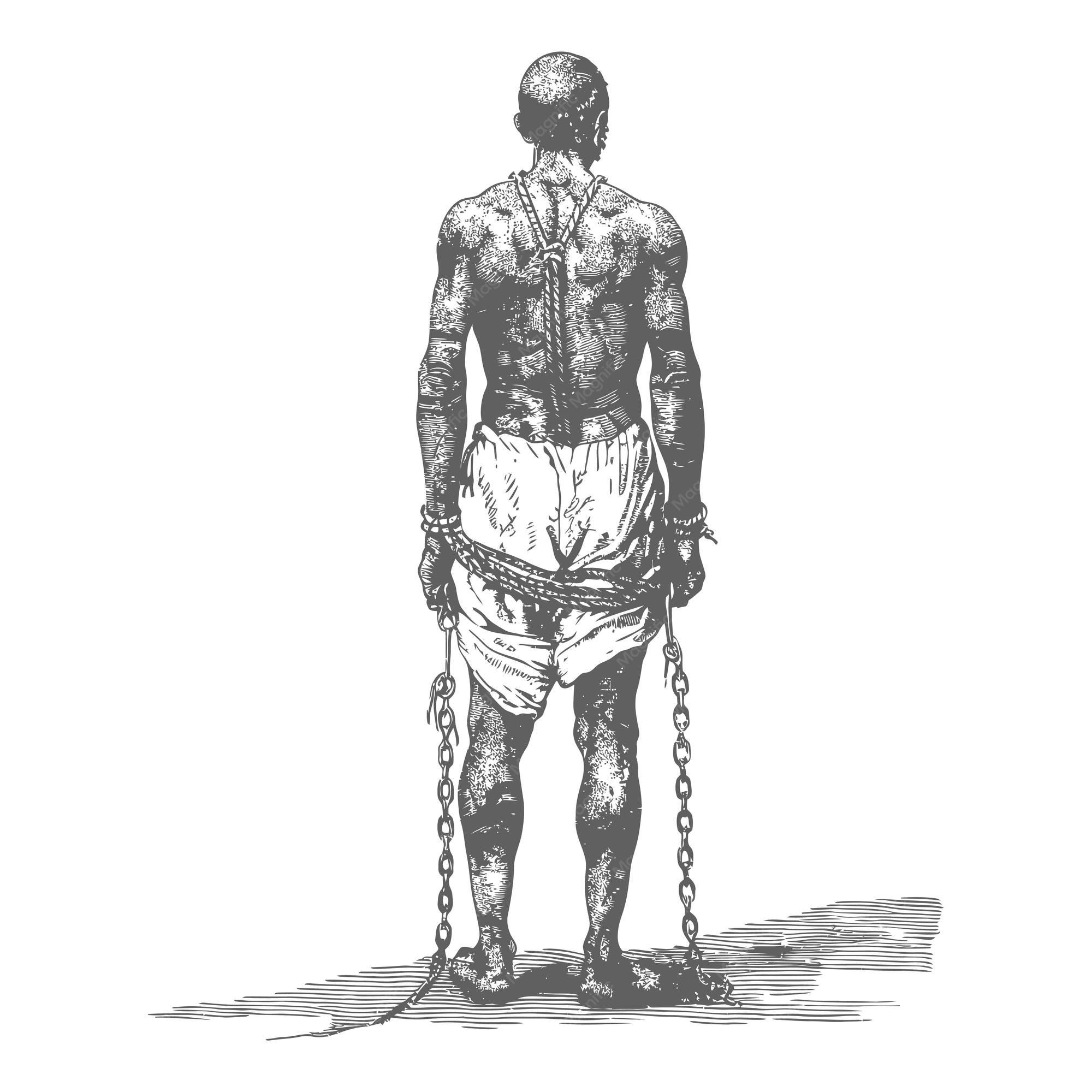
Slavery lasted 400 damn years. Four hundred. That's over 15 generations—people born, lived, raised children, grew old, and died all in chains. Families ripped apart. Culture erased. And when it's brought up, the response is a month of recognition. Maybe a museum if people are lucky. But mandatory education? Global "never again" pledges? Criminalization of denial? Not even close.
Native Americans—15 million reduced to under 300,000 in a few centuries. That's not a single event. That's a slow, deliberate erasure over generations. Boarding schools that stole children and beat their languages out of them. Massacres that barely make the textbooks. Most people couldn't name a single one.
Palestinians—75 years of displacement, occupation, siege, and now starvation and bombing in broad daylight. And if you bring it up? "You're comparing it to the Holocaust." No—that's not the point. The point is that it's its own horror, and it deserves its own recognition.
But instead, critics are told to be quiet. To wait. To not interrupt the grief queue.
And here's where it gets ugly: that Holocaust memory—that sacred, untouchable tragedy—is now being used as a justification for current violence. Zionist leaders have weaponized it. Every time Israel bombs a school or starves a population, the reflex is the same: "After what happened to us, you have no right to judge."
This is not memory. This is pure manipulation, plain and simple.
The dead can no longer speak. But the living are using their voices as shields for occupation, land theft, and collective punishment. And it's working—because Western institutions have decided that one group's trauma is so sacred that it excuses anything.
Meanwhile, Black Americans are told to "get over" slavery. Native Americans are told to "move forward." Palestinians are told "it's complicated."
It's not complicated. It's blatant hypocrisy.
I'm not saying the Holocaust wasn't horrific. I'm saying it wasn't the only horrific thing. And I'm done acting like acknowledging that truth is somehow a betrayal of the Jewish community.
If "never again" means only for us, then it was never about justice. It was about power.
All of it deserves remembrance. Or none of it does with integrity. But we cannot keep treating one people's grief as sacred and everyone else's as optional.
This is not remembrance. This is a monopoly.
It’s time to break this cycle of insanity.
If this resonated and you want to help keep this work going, consider becoming a monthly subscriber. Or you can make a one-time donation via Venmo @Sugar_Rhi or Buy me a ☕️
Couldn’t agree more…it’s all of these things together that require acknowledgement and can “never again” be allowed to happen. I’m sick of the brutality of picking people out with a characteristic and then abusing and criticizing. It applies across the board!
Thank you for this perspective. The suffering is real and the effects are part of our cultural fabric that are still with us. The documentation of the oppression and genocide can be found but they are not taught. I found “Bury My Heart At Wounded Knee” by Dee Brown and “The Underground Rail Road” by William Still, to be critical learning for me.
William Still’s book free on the internet archive:
https://archive.org/details/DKC0088
Thank you for your writing.